
Key takeaways
- Removing standing water is the most important thing a homeowner can do; in summer, flush birdbaths every three to four days (UF/IFAS).
- Screens, closed doors (including the garage) and air conditioning are the CDC's first steps for keeping mosquitoes out of the house.
- Mosquito-repelling plants, citronella candles and bug zappers have not been shown to work; a strong fan does help on a patio.
- Bats eat few mosquitoes in South Florida, and backyard CO2 traps are no magic bullet, according to UF experts.
- EPA-registered repellents with DEET, picaridin, oil of lemon eucalyptus or IR3535 are the most reliable personal protection.
In this article
- Why Mosquitoes Love South Florida Homes
- Which Mosquito Tips Actually Work?
- Tip 1: Eliminate Standing Water Every Week
- Tip 2: Install and Repair Screens, and Keep Doors Closed
- Tip 3: Skip Repellent Plants and Choose a Repellent That Works
- Tip 4: Maintain Your Yard
- Tip 5: Use Fans, Not Candles and Zappers
- Tip 6: Wear Protective Clothing
- Tip 7: Treat Traps as a Supplement
- Tip 8: Encourage the Right Natural Predators
- Tip 9: Use an EPA-Registered Insect Repellent
- Tip 10: Call the Professionals at Toro
- Frequently Asked Questions
The most practical way to keep mosquitoes away from your South Florida home is to stop them from breeding on your property, keep them outside with screens and closed doors, and protect your skin with an EPA-registered repellent when you go out. Those three habits do more than every gadget, candle and plant combined.
Plenty of popular advice does not hold up, though. Some tips help a little, some only feel helpful, and a few have been tested and found to do almost nothing. Below are 10 practical tips, each checked against University of Florida and CDC guidance, so you can spend your time and money on what works.
Why Mosquitoes Love South Florida Homes
Florida has at least 80 mosquito species, according to UF/IFAS, and South Florida gives them warmth and water almost all year. The rainy season, roughly May through October, refills every container in the yard, and dense tropical landscaping gives adults shady places to rest during the day.
Several of the most common pests live right next to people. The Asian tiger mosquito and Aedes aegypti lay eggs in small containers and bite in the daytime, so a single forgotten bucket can keep a patio miserable. These are also the mosquitoes that spread dengue, chikungunya and Zika; our guide to mosquito-borne diseases in South Florida explains the risks.
Which Mosquito Tips Actually Work?
Here is how the 10 tips in this article stack up:
| Tip | Verdict | Why |
|---|---|---|
| 1. Eliminate standing water | Works best | Stops new mosquitoes at the source |
| 2. Screens, closed doors, AC | Works | Keeps mosquitoes out of living space |
| 3. Choose real repellents over repellent plants | Plants do not work | Growing them does nothing; registered skin products do |
| 4. Maintain the yard | Helps | Fewer resting places and water traps |
| 5. Fans instead of candles | Fans help; candles do not | Mosquitoes cannot fly well in strong wind |
| 6. Protective clothing | Works | Less skin to bite |
| 7. Traps | Helps a little | Catch some, but do not stop breeding |
| 8. Natural predators | Helps in ponds | Fish eat larvae; bats are not the answer |
| 9. EPA-registered repellent | Works | Reliable personal protection |
| 10. Professional treatment | Works with tips 1-9 | Finds and treats hidden breeding and resting sites |
Need help with pests in South Florida?
Toro Pest Management has protected homes and businesses since 1969. Get a free inspection and $25 off your first service, backed by our 110% Satisfaction Guarantee: if the pests come back, so do we, at no extra cost.
Tip 1: Eliminate Standing Water Every Week
UF/IFAS calls source reduction “the most important technique that homeowners can employ to reduce mosquitoes.” Female mosquitoes lay eggs in or just above standing water, and in warm weather the larvae develop into biting adults in a matter of days.
- Empty, scrub, turn over, cover or throw out anything that holds water: buckets, planters, tires, toys and trash containers (CDC).
- Flush birdbaths and similar containers every three to four days in summer (UF/IFAS).
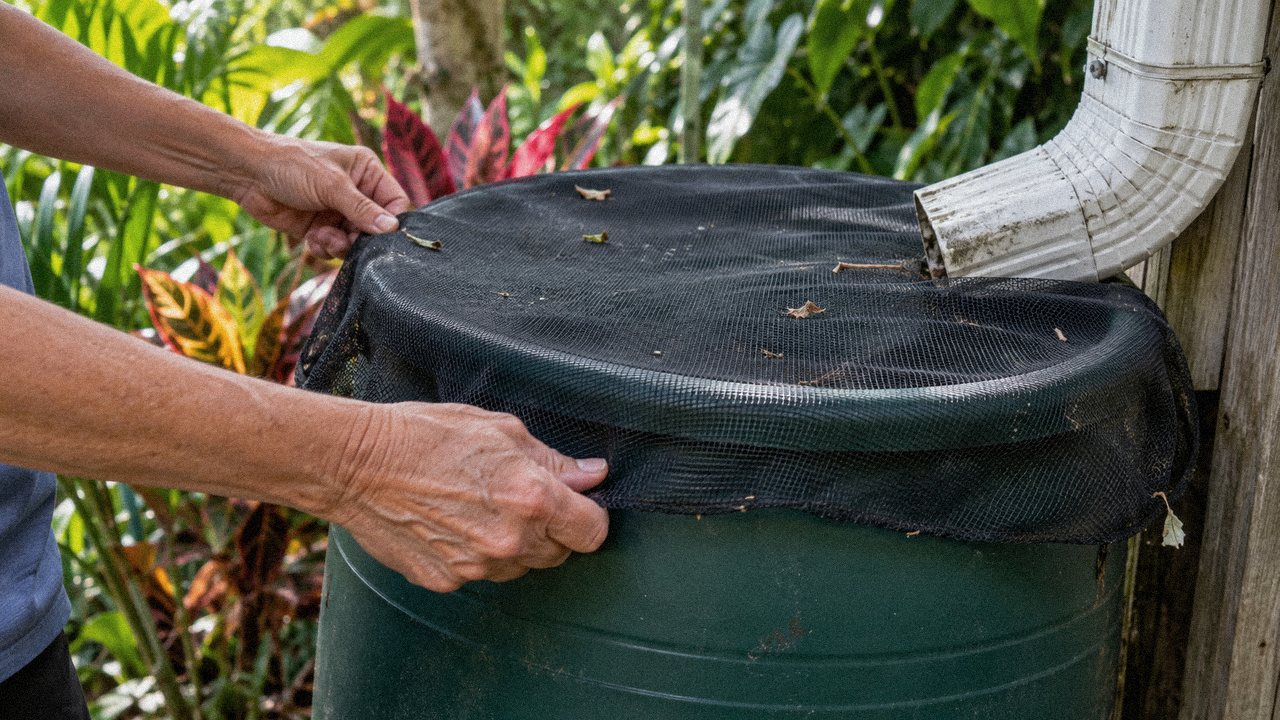
- Cover rain barrels and cisterns with tight lids or fine wire mesh.
- Fill tree holes so they cannot collect rainwater.
- Empty bromeliad cups or change their water every few days.
If you want a full, step-by-step yard plan, see 5 simple ways to reduce mosquitoes around your property.
Tip 2: Install and Repair Screens, and Keep Doors Closed
Screens let you enjoy the breeze without inviting mosquitoes in. The CDC recommends installing or fixing window and door screens, keeping doors closed instead of propping them open, including garage doors, and using air conditioning when you can.
Inside, empty vases and flowerpot saucers once a week. Screen porches and patios with fine mesh, and patch tears as soon as you see them.
Tip 3: Skip Repellent Plants and Choose a Repellent That Works
Basil, lemongrass, marigolds and citronella plants are often sold as mosquito repellents. UF/IFAS Extension says simply growing lemongrass, rosemary or scented geraniums around your patio does nothing to repel mosquitoes. At most, some plants repel briefly when you crush the leaves and rub them on your skin.
Homemade essential oil mixes are not a good substitute either. If you want a plant-based option, choose an EPA-registered product: oil of lemon eucalyptus performs about as well as 20% DEET, though it does not last as long, and it should not be used on children under 3 (UF/IFAS Extension).
Tip 4: Maintain Your Yard
Adult mosquitoes spend the hot part of the day resting in shady, humid vegetation. Thinning dense shrubs, mowing regularly and clearing leaf piles leaves them fewer hiding places. Pay attention to the hidden water traps too: clogged gutters, sagging tarps, ruts in the lawn and the drip area under an AC line. Miami-Dade recommends filling lawn holes, tree holes and AC drain areas with sand.
Tip 5: Use Fans, Not Candles and Zappers
Citronella candles and torches are a summer ritual, but UF/IFAS Extension lists citronella candles among methods that have not been shown effective in studies. Electric bug zappers have not been scientifically proven effective against mosquitoes either, and they kill many beneficial insects.
A strong fan, on the other hand, works. Mosquitoes cannot fly well in strong wind, so a fan on high aimed across your seating area is one of the cheapest upgrades for a patio or pool deck.
Tip 6: Wear Protective Clothing
Long sleeves, long pants, shoes and socks leave mosquitoes less skin to bite. The CDC recommends loose-fitting long sleeves and pants. Cover up in the morning and late afternoon, and remember that the Asian tiger mosquito and Aedes aegypti bite in the daytime too, not only at dawn and dusk.
Tip 7: Treat Traps as a Supplement
Backyard traps that use carbon dioxide, heat, light or lures do catch mosquitoes. The question is whether they protect your yard. UF experts concluded that CO2 traps are “no magic bullet”: only a few of Florida’s biting species are likely to be controlled this way, and many mosquitoes that bother residents fly in from a distance, so a trap may do less for your yard than you expect (UF/IFAS). If you use one, place it between the mosquito source and where people gather, run it continuously and keep draining water and wearing repellent.
Tip 8: Encourage the Right Natural Predators
Predators help, but not equally. In ornamental ponds and water gardens, UF/IFAS recommends stocking native fish such as the eastern mosquitofish, which eat larvae, and aerating the water. Dragonfly and damselfly nymphs, copepods and frogs also eat larvae. Still, UF/IFAS warns that it is never a good idea to rely solely on natural predators to protect yourself from mosquito-borne diseases.
Bat houses are a common suggestion that does not hold up here. A UF/IFAS wildlife expert says mosquitoes are low on the dietary preferences of bats in South Florida, and that the idea that bat houses will significantly cut mosquito numbers is “just not factual” (UF/IFAS). He recommends placing bat houses in natural areas rather than near homes, where colonies can move into roofs and attics.
Tip 9: Use an EPA-Registered Insect Repellent
The Florida Department of Health says repellents with 10-30% DEET, picaridin, oil of lemon eucalyptus and IR3535 tend to be most effective. Apply repellent to exposed skin and clothing, reapply as the label directs and use netting instead of repellent for babies under 2 months.
Skip wristbands and bracelets: UF/IFAS lists them among repellent products that are not effective. For a side-by-side look at how long common products protect, see 5 tips to prepare for mosquito season.
Tip 10: Call the Professionals at Toro
If you follow tips 1 through 9 and still cannot enjoy your yard, the cause is usually breeding sites you cannot see, resting areas deep in landscaping or mosquitoes coming from next door. UF/IFAS notes that unaddressed sources nearby still put you at risk, so it helps to talk with your neighbors, too.
Toro’s mosquito control service starts with a free inspection to find where mosquitoes breed and hide. Technicians treat breeding sites with larvicide granules and growth regulators, apply a barrier treatment made with plant oils to the shrubs where adults rest and point out the containers and gutters that keep refilling. Choose a one-time treatment before a party or the 3-month plan of four treatments, one every three weeks. For how targeted treatment fits into a responsible approach, read about the environmental benefits of professional mosquito control.
Mosquito control in South Florida is an ongoing habit, not a one-time project. A weekly water check, good screens and the right repellent will carry you through most of the year, and professional help covers what you cannot reach.

Contact Toro today
A free inspection & $25 off your first service
A trained Toro technician inspects your home or business, explains what was found and gives you a clear plan and quote, backed by our 110% Satisfaction Guarantee.
305-594-4767Frequently Asked Questions
What keeps mosquitoes away from a house naturally?
What smells do mosquitoes hate the most?
Why do mosquitoes bite me more than other people?
Do mosquito misting systems keep mosquitoes away?
Sources
- Mosquitoes & Their Control: Integrated Pest Management for Mosquito Reduction Around Homes and Neighborhoods, UF/IFAS Florida Medical Entomology Laboratory
- Mosquito Control at Home, Centers for Disease Control and Prevention
- Mosquitos- What Works and What Doesn't, UF/IFAS Extension Duval County
- Carbon Dioxide Mosquito Traps No Magic Bullet, Say UF Experts, UF/IFAS News
- This Halloween, have a heart for bats; a UF/IFAS expert explains, UF/IFAS News
- FDOH Urges Floridians to Drain and Cover to Prevent Mosquito Bites, Florida Department of Health
Educational content. This article is for general information about pests in South Florida and is not medical, legal or professional advice. If you have a bite, sting or allergic reaction, contact your doctor; in an emergency, call 911. Pest problems vary from home to home, so a licensed professional should inspect before treatment. When using any pesticide, always read and follow the product label.


