
Key takeaways
- Formosan, Asian subterranean and West Indian drywood termites cause most structural termite damage in South Florida, according to UF/IFAS.
- UF/IFAS researchers projected that about half of all structures in South Florida could be at risk of subterranean termites by around 2040.
- Treating West Indian drywood termites alone costs an estimated $140 million a year in Florida, per UF/IFAS.
- A Florida WDO inspection report covers only visible, accessible areas and is not a structural damage report.
- Prevention, annual inspections and a clear warranty cost far less than repairing years of hidden damage.
In this article
Termites hit South Florida homeowners in the wallet in several ways at once: repairs to hidden structural damage, the cost of treatment and ongoing protection, problems when a home is sold, and losses that insurance often does not cover. The longer termites go unnoticed, the more each of those costs grows.
South Florida carries more of this burden than most of the country. Florida has 20 established termite species, more than any other state, according to UF/IFAS, and the most destructive invasive species are concentrated here. This guide explains why termites cost so much in our region, where the money goes, and the decisions that protect your budget.
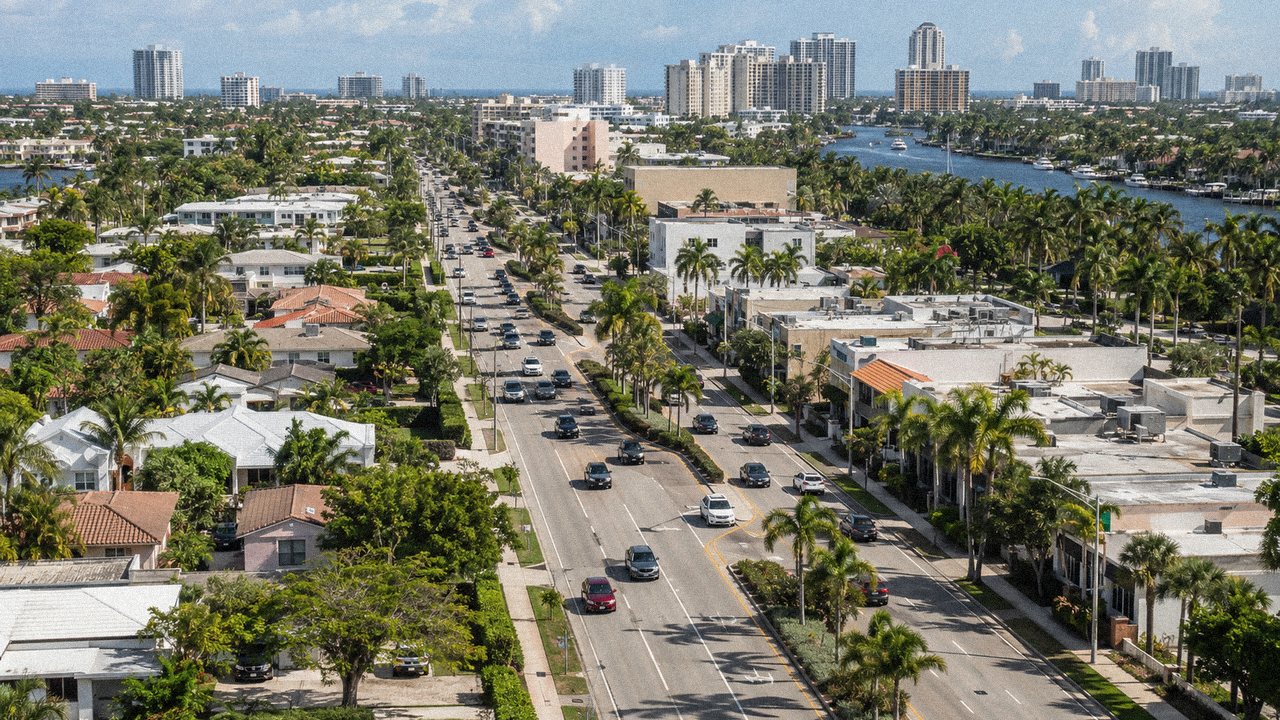
Why South Florida Pays More for Termites
Three Invasive Species Do Most of the Damage
UF/IFAS researchers name three termites as the cause of most structural damage in Florida: the Formosan subterranean termite, the Asian subterranean termite and the West Indian drywood termite. All three thrive in South Florida.
- Formosan subterranean termites form underground colonies of several million and forage up to about 100 meters in the field, according to UF/IFAS. UF/IFAS puts this species’ annual U.S. economic impact at likely more than $4 billion.
- Asian subterranean termites were first found in Miami in 1996. Miami-Dade and Broward were the first counties where they and Formosan termites were documented established together.
- West Indian drywood termites live inside dry wood, with the largest populations in older buildings in southern Florida. UF/IFAS estimates treatment costs for this species alone at about $140 million a year in Florida.
The native eastern subterranean termite adds to the total. We cover its national cost picture in the economic impact of eastern subterranean termites.
The Risk Is Growing
In 2016, UF/IFAS researchers at the Fort Lauderdale Research and Education Center projected that by around 2040, half of all structures in South Florida could be at risk of subterranean termite infestation. They counted any structure within 500 meters of a recorded Asian or Formosan termite as at risk, and found the number of infested structures had grown exponentially since 1990.
A 2026 UF study using records through 2025 found that forecast on track, with the Asian subterranean termite now as far north as Brevard and Hillsborough counties. More termites nearby means more homes paying for inspections, treatment and repairs.
Climate Keeps Colonies Working
South Florida never gets cold enough to slow termites down for long, and the rainy season keeps soil moist. Each species swarms in its own window, so new colonies can start around your home for much of the year.
active peak
Source: UF/IFAS EDIS (IN278, IN285, IN236)
UF/IFAS notes that West Indian drywood termites can also fly at any time of year outside this main window.
The True Cost of Termite Damage
Termites eat wood from the inside, so the painted surface often looks normal until damage is advanced. The bill depends on four things: the species, how long it fed, which wood it reached and how easy that wood is to get to.
| Type of damage | Typical examples | Why the cost varies |
|---|---|---|
| Cosmetic | Baseboards, trim, door casings, cabinets | Usually carpentry; cost grows if hidden framing is involved |
| Structural | Wall studs, top plates, roof trusses, window and door framing | May need a contractor, engineer or permit |
| Contents | Furniture, books, cardboard, stored items | Drywood termites can infest furniture; subterranean termites eat paper |
| Landscape | Hollowed trees near the house | Weakened trees can fail in high winds |
| Moisture-related | Leaks that feed carton nests in walls | Leak repair and drywall work add to the termite bill |
Trees are a cost South Florida homeowners often overlook. UF/IFAS reports that Formosan termites hollow out living trees, which weakens them and raises the risk of collapse in high winds, a real concern in hurricane season.
For a room-by-room look at what Asian subterranean termites damage and what drives that specific bill, read the cost of Asian subterranean termite damage.
Need help with pests in South Florida?
Toro Pest Management has protected homes and businesses since 1969. Get a free inspection and $25 off your first service, backed by our 110% Satisfaction Guarantee: if the pests come back, so do we, at no extra cost.
Termites, Home Sales and Property Value
Termites show up in the economics of a home most clearly when it changes hands. In Florida, a termite or wood-destroying organism (WDO) inspection that is part of a real estate transaction is reported on the FDACS form 13645. The report lists:
- Live wood-destroying organisms and where they were found
- Evidence such as dead insects, frass, shelter tubes or exit holes
- Visible damage and its location
- Areas that could not be inspected, such as a blocked attic or a finished interior
- Signs of previous treatment
The form also states that it reflects only visible, accessible areas, does not guarantee the absence of termites and is not a structural damage report. Buyers often follow up findings with repair requests or price negotiations, and sellers with an active termite warranty and treatment records are in a stronger position. We cover this in more depth in termites and your home’s value.
Insurance and Contracts: Who Pays?
Do not assume homeowners insurance will pay for termite damage; read the exclusions in your own policy before you need it. In practice, the protection most South Florida homeowners rely on is a termite contract.
Before you sign, find out exactly what the contract promises if termites come back: retreatment only, or retreatment plus repair of new damage. Check how often the property is inspected, how long the warranty runs, how it renews and what could void it. Compare the coverage, not just the price, when you choose a company.
Condos and HOAs face an extra layer. Colonies cross shared walls and common areas, and a building-wide termite problem can become a special assessment. See how subterranean termites can destroy property values in HOAs for association-level planning.
Early Detection: The Cheapest Termite Insurance
Every month a colony goes unnoticed adds to the repair bill, while the cost of treatment changes much less. UF/IFAS recommends a termite checkup during the March to June activity period, and a professional identification if you find termites. Signs to watch for:
- Swarms or piles of discarded wings near windows, doors and lights
- Mud tubes on foundations, slab edges and garage walls
- Small, hard pellets piling up below wood or furniture (drywood termites)
- Blistered paint, hollow-sounding wood or doors that start to stick
A few winged termites indoors do not automatically mean an infestation, according to UF/IFAS, but wings found in several areas of the home call for an inspection. For a clear picture of what the cost of waiting looks like, read how delaying termite treatment can ruin your home.
Investing in Prevention
Prevention steps are mostly low-cost maintenance, and they make inspections more reliable:
- Fix leaks in plumbing, AC condensate lines and roofs promptly.
- Manage water with gutters, downspout extensions and sprinklers aimed away from walls.
- Keep the foundation visible with a narrow clear strip and thin mulch, so mud tubes are easy to spot.
- Store wood off the ground and away from the house, and avoid bringing in infested furniture or lumber.
- Inspect trees close to the house, especially before hurricane season.
- Schedule an annual inspection and keep the reports.
How Professional Termite Control Protects Your Budget
Toro’s termite control service starts with a free inspection: a trained technician identifies which termites you have and how far the damage goes, then recommends the treatment that fits:
- Sentricon baiting for subterranean termites, installed around the property with no drilling into the slab and no trenches, and designed to eliminate the colony, including the queen
- TORO-GUARD, a non-tenting injection treatment for localized drywood colonies
- Tent fumigation when drywood termites have spread through the structure
Toro also offers prevention for homes that are not infested yet and pre-purchase inspections for buyers. To learn more about the species themselves, visit our termite pest library. Toro has protected homes and businesses in Miami-Dade, Broward, Palm Beach and the Keys since 1969, and if the bugs come back, so will Toro, at no additional cost to you.

Contact Toro today
A free inspection & $25 off your first service
A trained Toro technician inspects your home or business, explains what was found and gives you a clear plan and quote, backed by our 110% Satisfaction Guarantee.
305-594-4767Frequently Asked Questions
Why are termites such a big problem in South Florida?
How much does termite damage cost to repair in South Florida?
Do I need a termite inspection to sell my house in Florida?
Are condos and HOAs affected by termites differently?
Is it worth paying for termite prevention if I have never seen termites?
Sources
- Half of South Florida Structures at Risk of Subterranean Termite Infestation by 2040, UF/IFAS News
- New Study Shows Invasive Termites Threatening Homes in Florida Are Spreading Farther Than Predicted, University of Florida News
- West Indian Drywood Termite, Cryptotermes brevis (EDIS IN236), UF/IFAS Extension
- Formosan Subterranean Termite, Coptotermes formosanus (EDIS IN278), UF/IFAS Extension
- Termite Season: UF/IFAS Scientist Answers Common Questions, Corrects Misconceptions, UF/IFAS News
- Wood-Destroying Organisms Inspection Report (FDACS-13645), Florida Department of Agriculture and Consumer Services
Educational content. This article is for general information about pests in South Florida and is not medical, legal or professional advice. If you have a bite, sting or allergic reaction, contact your doctor; in an emergency, call 911. Pest problems vary from home to home, so a licensed professional should inspect before treatment. When using any pesticide, always read and follow the product label.


