For many homeowners, the idea of scheduling a termite inspection raises a lot of questions. What exactly will the inspector look for? How long does it take? Will they need to tear into walls or move furniture? And perhaps most importantly—what happens if termites are found?
The truth is that a professional termite inspection is a straightforward process designed to give you information, peace of mind, and an opportunity to catch problems before they become expensive. In South Florida, where termite activity can occur year-round, inspections are one of the most valuable tools homeowners have for protecting their property.
One of the biggest misconceptions is that termite inspections are only necessary if you already see signs of damage. In reality, termites are often discovered before visible damage appears. Because they work behind walls, beneath floors, and inside structural wood, infestations can remain hidden for months or even years. An inspection helps identify activity early, when treatment is typically easier and less costly.
When a termite inspector arrives, the first step is usually a conversation about the property. Homeowners may be asked whether they have noticed mud tubes, discarded wings, hollow-sounding wood, moisture issues, or any recent structural changes. Even small details can help identify areas that deserve closer attention.
The inspection then moves to the exterior of the home. This is one of the most important parts of the process because many termite infestations begin outside the structure. The inspector will carefully examine the foundation, exterior walls, landscaping, mulch beds, wooden fences, decks, and areas where wood may come into contact with soil. They are looking for conditions that attract termites as well as signs of active infestation.
Particular attention is often given to moisture-prone areas. Leaking faucets, irrigation systems, poor drainage, and areas where water collects near the foundation can increase termite risk. Since subterranean termites depend on moisture to survive, identifying these conditions is an important part of protecting the property.
The inspection then continues inside the home. Inspectors typically examine garages, utility rooms, attics, baseboards, door frames, window frames, and accessible structural areas. They may tap on wood surfaces, look for signs of damage, search for mud tubes, and inspect areas where termites commonly enter or hide.
Homeowners are often surprised to learn that termite inspections are generally non-invasive. A professional inspection does not involve tearing open walls or damaging the property. Instead, inspectors use visual observations, specialized tools, and their experience to identify warning signs that may indicate termite activity.
If signs of termites are found, the inspector will explain the findings and discuss possible treatment options. In many cases, homeowners also learn about risk factors that have not yet resulted in an infestation but could create problems in the future. This information can be extremely valuable because prevention is often much less expensive than repairing termite damage later.
Even if no termites are discovered, the inspection provides peace of mind. Knowing that your property has been professionally evaluated can help you avoid unpleasant surprises and better understand any conditions that might increase future risk.
For homeowners in South Florida, regular termite inspections are one of the smartest investments they can make. The region’s climate creates ideal conditions for termite activity, and early detection remains the best defense against costly structural damage.
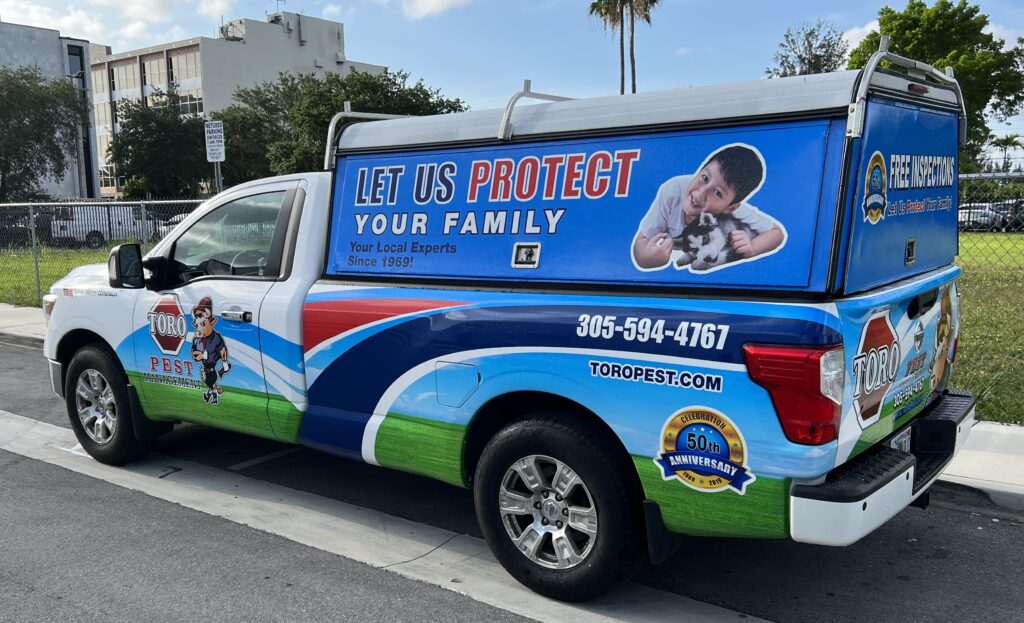
TORO Pest offers a FREE termite inspection for South Florida homeowners. Our experienced specialists carefully evaluate your property, identify signs of termite activity, and help you understand any risk factors that may be present.
If you’ve never had your home inspected—or if it’s been a while since your last evaluation—schedule your free inspection with TORO Pest today. A simple inspection now could help prevent a major termite problem later.