Many homeowners assume that termites are only a concern for older houses. It’s a common belief that new construction, fresh materials, and modern building techniques automatically protect a property from termite problems. Unfortunately, that assumption is not always true. In South Florida, termites can appear even in newly built homes, sometimes only months after construction is completed.
The reason lies in the environment. South Florida has one of the most termite-friendly climates in the United States. Warm temperatures, high humidity, and sandy soil create ideal conditions for termite colonies to thrive year-round. These insects don’t wait for homes to age; they are constantly searching for new food sources, and a newly constructed house can provide exactly what they need.
One of the main reasons termites appear in new homes is that colonies may already exist in the soil before construction begins. Subterranean termites live underground and can remain hidden for years. Even if the lot appears clear when a home is built, termite colonies may still be active beneath the surface. Once construction is completed and wood structures are introduced, termites can quickly begin exploring the new source of food.
Construction activity itself can sometimes create conditions that attract termites. Disturbed soil, buried wood debris, or leftover construction materials can provide easy feeding sites. If pieces of wood or organic materials remain in the soil near the foundation, termites may establish activity there before eventually moving toward the structure.
Another factor involves small structural gaps that naturally occur in new buildings. No structure is completely sealed. Tiny openings around plumbing lines, expansion joints in concrete slabs, or cracks in foundations can provide entry points for termites. Because these openings are often hidden or difficult to see, termites can access interior wooden components without being noticed.
Moisture also plays a role in attracting termites to new homes. Irrigation systems, landscaping installed soon after construction, and South Florida’s heavy rainfall can keep the soil around a home damp. Subterranean termites rely on moisture to survive, so these conditions make it easier for them to establish tunnels that lead toward the structure.
Homeowners may also be surprised to learn that termite infestations sometimes begin outside the house and gradually move inward. Nearby trees, fences, wooden decks, or landscaping timbers can serve as feeding areas. Once termites are established in those materials, the distance to the house becomes very small, and the colony may expand its activity toward the building.
Because termites work quietly and often remain hidden inside walls, floors, or structural beams, early infestations can be difficult to detect. Visible signs such as mud tubes, hollow wood, or swarming termites may not appear until the colony has already been active for some time. This is why many homeowners are surprised to discover termite activity in homes that are only a few years old.
Protecting a new home from termites requires awareness and regular monitoring. Preventive treatments, moisture control, and professional inspections are important steps that help identify potential risks before serious damage occurs. Early detection allows homeowners to address termite activity before it spreads throughout the structure.
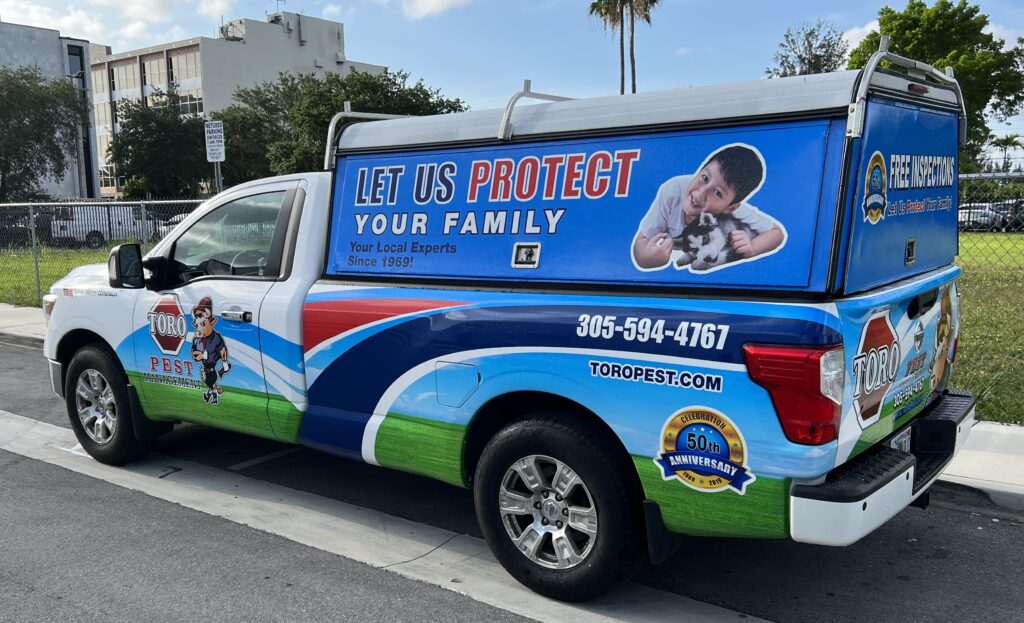
TORO Pest offers a FREE termite inspection to help South Florida homeowners detect termite activity early and protect their investment. Our specialists carefully examine the property, including the foundation, exterior areas, and structural elements where termites are most likely to appear.
If you want peace of mind and protection for your home, schedule your free inspection with TORO Pest today and make sure termites aren’t quietly moving in—even if your house is brand new.