
Key takeaways
- Disease-spreading mosquitoes may start increasing about two weeks after a hurricane and spread viruses several weeks later (CDC).
- Symptoms usually appear days after a bite: about 5-7 days for dengue, 2-6 for West Nile, 3-7 for chikungunya, up to 14 for Zika.
- Dengue warning signs often start 24-48 hours after the fever breaks; they are a medical emergency.
- Older adults, pregnant women and infants need extra protection in the weeks after a storm.
- Florida counties announce mosquito-borne illness advisories and alerts when risk rises; follow them.
In this article
- How Storms Raise the Risk of Mosquito-Borne Illness
- Which Mosquito-Borne Diseases to Watch for After a Storm
- How Soon Symptoms Appear After a Bite
- Who Needs Extra Protection After a Storm
- Step-by-Step: Lower Your Household’s Risk
- How Florida Warns You When Risk Rises
- When Professional Mosquito Control Helps
- Frequently Asked Questions
To prevent mosquito-borne diseases after a storm, act in two phases: drain standing water in the first week, before a new generation of mosquitoes emerges, and keep protecting your household for at least a month afterward, because the mosquitoes that carry viruses build up later than the swarms you see right after the rain.
That second phase is the one people skip. By the time the yard dries and the cleanup ends, repellent goes back in the drawer, just as the risk of dengue, West Nile virus and other infections can be rising. This guide focuses on the health side of storm recovery: the timeline, which illnesses to watch for, who needs extra care, how Florida announces outbreaks and the steps that lower your risk.
How Storms Raise the Risk of Mosquito-Borne Illness
Storms do not create viruses; they create breeding sites. The CDC explains that flooding first hatches huge numbers of floodwater mosquitoes, which are aggressive biters but generally do not spread germs that make people sick. Mosquito species that can spread viruses may increase in the weeks after a hurricane, and this matters mainly where viruses like dengue and West Nile are already circulating.
South Florida is one of those places. In October 2026, Miami-Dade was under a state mosquito-borne illness alert, and Broward and Palm Beach were under an advisory; all three counties had reported locally acquired dengue that year. The container-breeding Aedes aegypti that spreads dengue thrives in the buckets, tarps and debris a storm leaves behind. For why the swarms appear in the first place, see the post-hurricane mosquito boom.
The Post-Storm Risk Timeline
| When | What the CDC expects | Your priority |
|---|---|---|
| First week | Floodwater eggs hatch; nuisance mosquitoes surge | Drain water; protect skin during cleanup |
| Weeks 1-2 | Nuisance numbers stay high | Keep draining after every rain |
| About 2 weeks | Disease-spreading mosquitoes may begin to increase | Repellent every time you go out; check screens |
| Several weeks later | These mosquitoes could start spreading viruses | Watch for symptoms and local health alerts |
Which Mosquito-Borne Diseases to Watch for After a Storm
In South Florida, the infections that matter after a storm are the ones already present in the community:
- Dengue, spread by Aedes mosquitoes that bite during the day. Florida reported 425 locally acquired cases in 2026 through mid-October.
- Chikungunya, spread by the same Aedes mosquitoes, with one locally acquired case in Miami-Dade in 2026.
- West Nile virus, spread mainly by the night-biting southern house mosquito, which breeds in nutrient-rich water such as storm-water catch basins and old tires.
- Zika, which had no Florida cases in 2026 but is spread by the same mosquito as dengue and is a serious risk during pregnancy.
For a full overview of each illness, including rarer ones such as eastern equine encephalitis and malaria, read our comprehensive guide to mosquito-borne diseases in South Florida.
Need help with pests in South Florida?
Toro Pest Management has protected homes and businesses since 1969. Get a free inspection and $25 off your first service, backed by our 110% Satisfaction Guarantee: if the pests come back, so do we, at no extra cost.
How Soon Symptoms Appear After a Bite
Illness does not start the day you are bitten. Each virus has an incubation period, so symptoms from a bite during cleanup may appear a week or two later, often after life feels back to normal.
Source: CDC (dengue, West Nile, chikungunya); Florida Department of Health (Zika)
These are typical ranges. The CDC notes West Nile can take up to 14 days and longer in people with weakened immune systems, and chikungunya can range from 1 to 12 days (CDC Yellow Book).
Symptoms and Red Flags
| Illness | Common symptoms | Red flags that need prompt care |
|---|---|---|
| Dengue | Fever with eye pain, body aches, headache, nausea, rash | Belly pain, repeated vomiting, bleeding gums or nose, extreme tiredness |
| Chikungunya | Sudden high fever and severe joint pain, often in hands and feet | Severe illness in newborns, adults over 65 or people with chronic conditions |
| West Nile virus | Often none; fever, fatigue, headache, body aches, rash | Stiff neck, altered mental state, tremors, limb weakness |
| Zika | Often none; fever, rash, red eyes, joint pain | Any possible infection during pregnancy |
Dengue deserves special attention. According to the CDC, about 1 in 20 people who get sick develop severe dengue, and the warning signs usually begin 24 to 48 hours after the fever goes away, which can look like recovery. More detail on dengue at home is in what homeowners need to know about dengue mosquitoes.
Who Needs Extra Protection After a Storm
Some people face higher risks from the same bite:
- Older adults. About 2% of people 65 or older infected with West Nile develop neuroinvasive disease, compared with under 0.5% of younger people, and adults 70 and older are more than six times as likely to be hospitalized (CDC).
- People with chronic conditions. Cancer, diabetes, high blood pressure, kidney disease and weakened immunity raise the risk of severe West Nile illness; diabetes, heart disease and hypertension raise the risk with chikungunya.
- Pregnant women. The Florida Department of Health says pregnant women are particularly vulnerable and should take extra precautions and check with their health care provider.
- Infants. Use mosquito netting for babies under 2 months instead of repellent.
- Cleanup crews and volunteers. The CDC notes that people spending more time outdoors during cleanup are more likely to be bitten.
Step-by-Step: Lower Your Household’s Risk
Drain Within the First Week
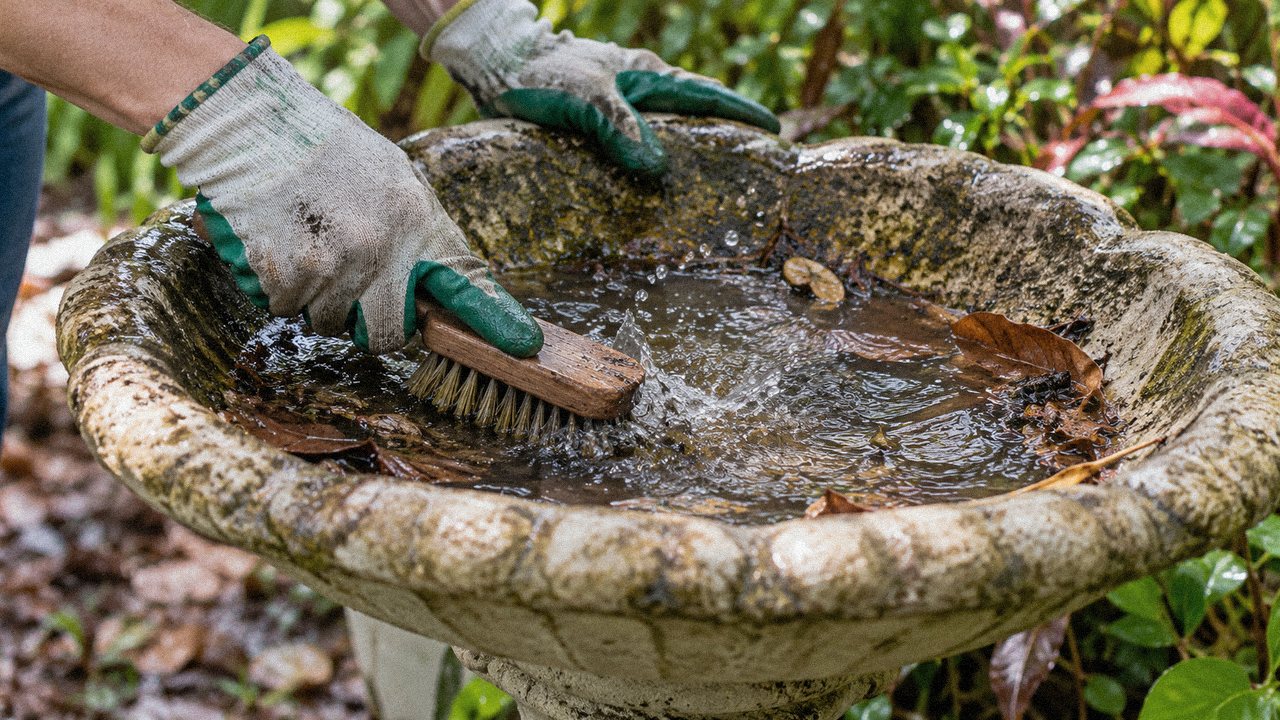
Walk your property as soon as it is safe and empty, scrub, turn over, cover or throw out anything that holds water: tires, tarps, buckets, toys, pools, birdbaths, flowerpot saucers and trash containers. Repeat after every rain for the next month.
Cover Your Skin Every Time You Go Out
The Florida Department of Health recommends repellents with 10-30% DEET, picaridin, oil of lemon eucalyptus or IR3535, plus shoes, socks, long pants and long sleeves. The CDC adds permethrin-treated clothing as an option for people working outdoors.
Mosquito-Proof Your Home, Even Without Power
Repair window and door screens, keep doors closed, including the garage, and run air conditioning when you can. If the power is out and windows must stay open, screens and bed nets are your main protection at night, when Culex mosquitoes feed.
Protect Your Neighbors if Someone Has Been Traveling
People returning from places with dengue, chikungunya or Zika can pass the virus to local mosquitoes. During the 2016 Miami Zika outbreak, the CDC recommended that returning travelers use insect repellent for three weeks. It is a simple way to keep one case from becoming a neighborhood cluster.
How Florida Warns You When Risk Rises
County health departments issue two levels of public warning, according to the Florida Department of Health’s arbovirus response plan:
- Mosquito-borne illness advisory: surveillance shows rising virus activity and an increased potential for human infections, or a single locally acquired human case has been confirmed.
- Mosquito-borne illness alert: a cluster of two or more locally acquired cases, or intense virus activity in animal surveillance. Mosquito control focuses on high-risk areas and may add aerial spraying, and an alert is lifted only six weeks or more after the last human case.
After a storm, check your county health department’s announcements along with the weather. An advisory or alert in your area means every habit in this guide matters more.
When Professional Mosquito Control Helps
County programs treat neighborhoods; your yard is up to you. If mosquitoes keep biting near the house weeks after a storm, something on the property is still producing them. Toro’s mosquito control service starts with a free inspection to find breeding and resting sites, then treats breeding sites with larvicide granules and growth regulators and applies a plant-oil barrier treatment to the shrubs where adults rest. The 3-month plan of four treatments, one every three weeks, covers the weeks when disease-carrying mosquitoes rebuild. For a broader look at the illnesses themselves, see mosquito-borne diseases beyond dengue.

Contact Toro today
A free inspection & $25 off your first service
A trained Toro technician inspects your home or business, explains what was found and gives you a clear plan and quote, backed by our 110% Satisfaction Guarantee.
305-594-4767Frequently Asked Questions
Do floods cause outbreaks of mosquito-borne disease?
How soon after a mosquito bite do you get sick?
Should pregnant women take extra precautions after a hurricane?
Do I need to protect my pets and horses after a storm?
What should I do when the county sprays for mosquitoes after a storm?
Sources
- What to Do After a Hurricane or Flood, Centers for Disease Control and Prevention
- Clinical Features of Dengue, Centers for Disease Control and Prevention
- Clinical Signs and Symptoms of West Nile Virus Disease, Centers for Disease Control and Prevention
- Chikungunya, Centers for Disease Control and Prevention
- Zika Fever – Information for Clinicians, Florida Department of Health
- Florida Department of Health Response Plan for Mosquito-Borne Diseases, Florida Department of Health
- Florida Arbovirus Surveillance Week 41: October 11-17, 2026, Florida Department of Health
Educational content. This article is for general information about pests in South Florida and is not medical, legal or professional advice. If you have a bite, sting or allergic reaction, contact your doctor; in an emergency, call 911. Pest problems vary from home to home, so a licensed professional should inspect before treatment. When using any pesticide, always read and follow the product label.


