
Key takeaways
- Leptospirosis is a bacterial disease spread through the urine of infected animals, and rodents are among the most common carriers around homes.
- The bacteria can enter through cuts, broken skin or the eyes, nose and mouth after contact with contaminated water or soil.
- Symptoms usually start 5 to 14 days after exposure but can appear anywhere from 2 to 30 days later, according to the CDC.
- Florida health officials warn that the risk often rises after hurricanes and floods, when urine on the ground washes into floodwater.
- Dogs get leptospirosis too; a vaccine exists, so ask your veterinarian whether your dog should have it.
In this article
- What Is Leptospirosis?
- How People Get Leptospirosis From Rat Urine
- Leptospirosis Symptoms and When They Appear
- Who Is at Higher Risk?
- Dogs and Leptospirosis
- Leptospirosis in Florida: What the Health Department Says
- How to Reduce Exposure Around Your Home
- Getting Rid of the Rats That Spread It
- Frequently Asked Questions
Leptospirosis is a bacterial infection that people can catch from water or soil contaminated with the urine of infected animals, and rats are one of the most common sources around a home. You do not need to be bitten or even see a rat: wading through a flooded yard with a cut on your foot can be enough.
In South Florida, the conditions that spread leptospirosis are familiar. Rats live in palms, attics and along canals, the rainy season brings sudden downpours from May through October, and hurricanes can leave streets and yards under water. This guide explains how the disease spreads, the symptoms health officials describe, who is most at risk, what it means for your dog and how to cut off the source.
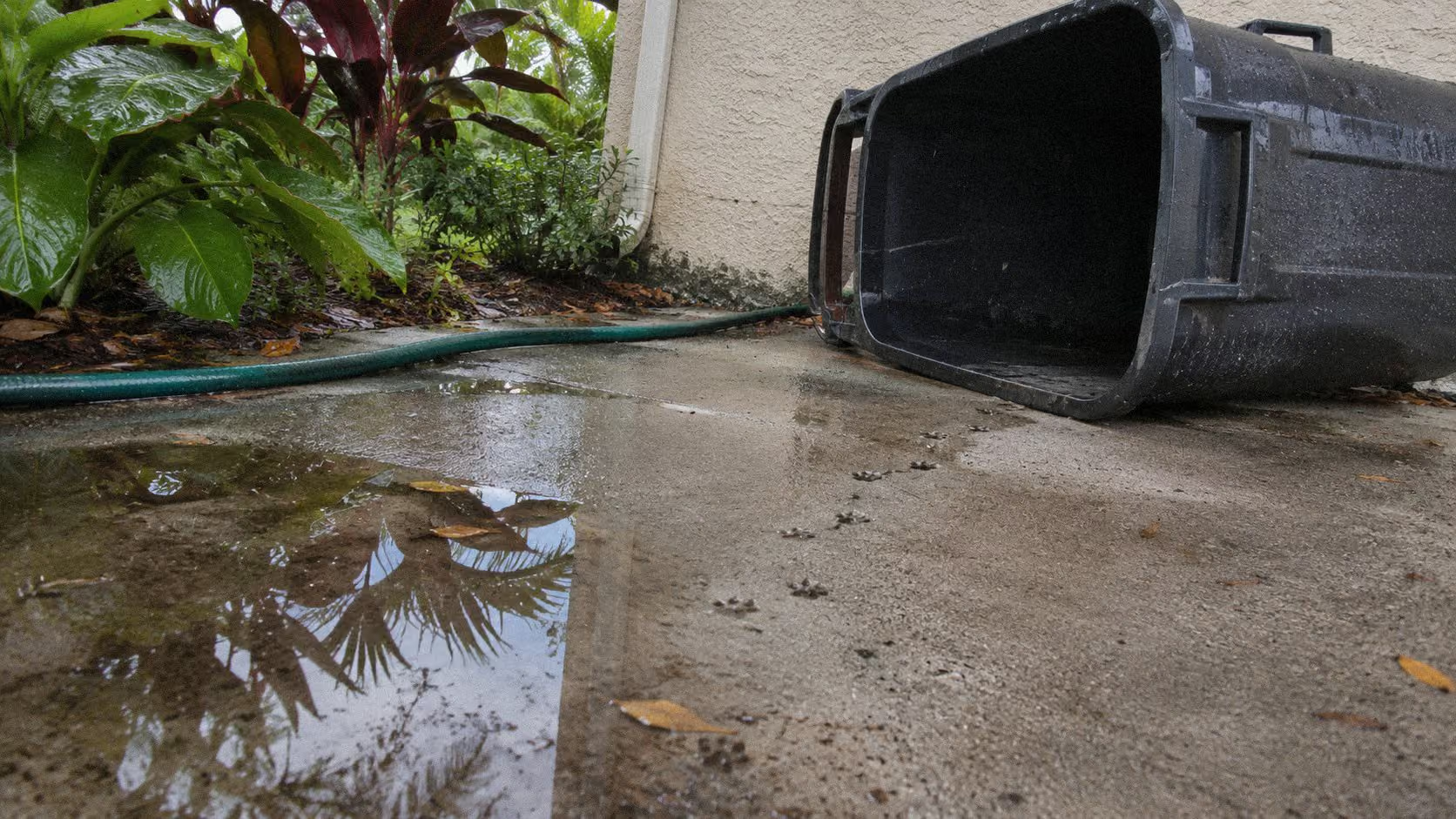
What Is Leptospirosis?
Leptospirosis is caused by bacteria of the genus Leptospira. Infected animals shed the bacteria in their urine, which contaminates water, soil and vegetation. Many animals can carry it, including dogs, livestock and wildlife, but rodents matter most for homeowners because they live so close to people.
The bacteria do not need a bite or a scratch to reach you. According to the National Park Service, they can enter the body:
- Through a break in the skin, such as a cut, scrape or blister
- Through the mucous membranes of the eyes, nose or mouth
- By swallowing contaminated water or eating contaminated food
That is what makes rat urine a real health issue and not just an unpleasant smell. Rodent droppings carry their own set of risks, which we cover in the hidden dangers of rodent droppings in your home; this article focuses on urine, water and leptospirosis.
How People Get Leptospirosis From Rat Urine
The Florida Department of Health describes three main routes: contact with water or soil that contains urine or body fluids from infected animals, direct contact with an infected animal’s body fluids, and eating food or drinking water contaminated by infected urine.
Around a typical home, that can look like this:
- Cleaning a garage, shed or storage room where rats have been living
- Gardening or digging in soil where rats travel or burrow
- Handling a dead rat, a trap or a nest without gloves
- Walking barefoot or in sandals through puddles and flooded areas
- Eating fruit or food that rats have reached, or drinking from a contaminated container
Why Floods and Hurricanes Raise the Risk
The CDC explains the mechanism plainly: during a hurricane or heavy rain, animal urine in the soil and on other surfaces runs into floodwater. Cases can rise after floods because people wade through contaminated water or use it for drinking or bathing. The Florida Department of Health likewise notes that leptospirosis risk often increases after a hurricane or flood.
Storms also push rats out of their usual shelters and toward homes, a pattern described in rodent infestations after storms. More rats close to the house, combined with standing water, is the combination to watch for after a big South Florida storm.
Need help with pests in South Florida?
Toro Pest Management has protected homes and businesses since 1969. Get a free inspection and $25 off your first service, backed by our 110% Satisfaction Guarantee: if the pests come back, so do we, at no extra cost.
Leptospirosis Symptoms and When They Appear
According to the CDC’s hurricane and flood fact sheet, symptoms usually appear 5 to 14 days after exposure, but they can start anywhere from 2 to 30 days later. That long window is why people often fail to connect the illness to the floodwater or cleanup job that caused it.
Symptoms health officials list include:
- Fever and chills
- Headache
- Muscle and body aches
- Red eyes
- Vomiting or nausea, diarrhea and stomach pain
- Yellow skin and eyes (jaundice)
- Rash
Many of these look like flu or a stomach bug, and some infected people have no symptoms at all. The Florida Department of Health notes that the illness can come in two phases: a person may seem to recover and then get sick again, and the second phase can be more severe, involving kidney or liver failure or meningitis. Without treatment, complications can include kidney damage, liver failure, trouble breathing and death.
When to See a Doctor
See a doctor right away if you develop these symptoms after contact with floodwater, contaminated soil or rodents, and say what you were exposed to. Diagnosis requires special blood tests, and the CDC says antibiotic treatment works best when it starts early. Only a doctor can decide whether you need testing or treatment.
Who Is at Higher Risk?
Anyone can be infected, but the Florida Department of Health lists activities that raise the risk:
- Swimming, kayaking, canoeing or rafting in rivers, swamps or creeks
- Hiking or hunting
- Gardening, yard work and outdoor cleaning and maintenance
- Jobs such as veterinary clinic work, dairy farming or butchering
For South Florida homeowners, the everyday risks are yard work, post-storm cleanup and clearing out spaces where rats have nested. The table below shows common situations and how to lower your exposure.
| Situation around the home | Why it carries risk | How to reduce it |
|---|---|---|
| Walking through a flooded yard or street | Urine from soil and surfaces washes into floodwater | Stay out of it; if you cannot, wear waterproof boots and cover cuts |
| Post-storm debris and yard cleanup | Wet soil, debris and rats displaced by the storm | Waterproof boots, gloves, long pants, waterproof bandages on cuts |
| Gardening near rat activity | Soil can hold urine where rats travel | Wear gloves, avoid touching your face, wash hands afterward |
| Cleaning a garage, shed or attic with rodents | Urine and nests on surfaces | Ventilate and use the CDC wet-cleaning method, no sweeping |
| Fruit, food and water left out | Rats can contaminate them with urine | Keep food, water and trash in closed containers; discard food rodents reached |
| Kayaking or swimming in canals and lakes | Fresh water can be contaminated | Avoid swallowing water, keep your head above it, skip it with open cuts |
Dogs and Leptospirosis
Dogs catch leptospirosis the same way people do, and the CDC says almost every dog is at risk, whether it lives in the country, the suburbs or the city. Dogs that roam where they meet wildlife or contaminated water, and dogs that spend time at dog parks or boarding and training facilities, are at higher risk. A dog that drinks from puddles, ponds or canals after rain, or that chases rats, has more chances to be exposed.
Early signs in dogs listed by the CDC include fever, lethargy, loss of appetite, joint or muscle pain, eye and nasal discharge, changes in urination and jaundice. Call your veterinarian if you notice them.
A vaccine for dogs is available in the United States. The CDC notes that it does not provide 100% protection because there are many strains of the bacteria, but vaccination is still recommended. Ask your veterinarian whether it fits your dog’s lifestyle and risk.
Your dog can also be a link between rats and your family. An infected animal that is not fully treated may shed the bacteria in its urine for up to 3 months, according to the CDC, so if your dog is diagnosed, wear gloves to clean up its urine and wash your hands after handling it. For other threats to pets, see 4 dangerous pests for pets.
Leptospirosis in Florida: What the Health Department Says
The Florida Department of Health includes leptospirosis on its list of reportable diseases and conditions, which means health care practitioners must report cases to public health officials under Florida’s disease reporting rule. Reporting lets the department track cases and spot unusual increases.
The department’s leptospirosis page highlights the same points this article covers: contact with contaminated water, soil or vegetation is the main route, risk often rises after hurricanes and floods, illness generally starts 2 to 30 days after contact, and diagnosis and treatment require a health care provider. If you have questions about a possible exposure, contact your doctor or your county health department.
How to Reduce Exposure Around Your Home
Most leptospirosis risk at home comes down to two things: contact with contaminated water and contact with rodent urine. Both can be managed.
During and After Floods
- Stay out of floodwater, and keep children and pets out of it.
- Wear waterproof boots and protective clothing when you clean up after a storm.
- Cover cuts, scrapes and blisters with waterproof bandages before you start.
- If your water supply may be contaminated, follow local boil-water guidance; the CDC advises boiling or chemically treating drinking water.
- Keep food, water and trash in closed containers, and throw out food that rodents may have reached.
Cleaning Up Rodent Urine Safely
The CDC’s rodent cleanup guidance applies to urine as well as droppings:
- Open doors and windows for 30 minutes and leave the area while it airs out.
- Put on rubber or plastic gloves.
- Spray the urine and droppings with an EPA-registered disinfectant until very wet, and let it soak for 5 minutes or as the label directs.
- Do not sweep or vacuum urine, droppings or nesting material.
- Wipe everything up with paper towels and throw them in a covered garbage can.
- Disinfect nearby floors, counters, cabinets and drawers.
- Wash your gloved hands, remove the gloves, then wash your hands with soap and warm water.
For attics, crawl spaces or large areas, the cleanup is bigger than a quick wipe. The droppings article linked above covers nests and dead rodents step by step.
Getting Rid of the Rats That Spread It
Cleaning and protective gear reduce your exposure, but the rats keep contaminating your property as long as they live there. The National Park Service recommends keeping rodents under control inside buildings by sealing their entry points, and the CDC advises trapping rodents and keeping food and trash covered.
In South Florida, two rats cause most of the trouble. Roof rats climb palms, fruit trees and power lines to reach attics, while Norway rats burrow near canals, foundations and dumpsters. Fallen fruit is a strong attraction, so if you have mango, avocado or citrus trees, read about rats in fruit trees in South Florida. Sealing gaps is the step that keeps new rats from replacing the ones you remove; our guide to finding rodent entryways shows where to look.
Toro’s rodent control service starts with a free inspection to identify which rodents you have, where they nest and every gap they use to get inside, from the roofline to the foundation. Technicians remove the rodents with trapping and baiting chosen for your home and placed according to the product label, seal the entry points and offer dropping and urine disinfecting and sanitation for the areas where rodents nested and fed. Toro has protected homes and businesses in Miami-Dade, Broward, Palm Beach and the Keys since 1969, and responds within 24 hours, guaranteed.

Contact Toro today
A free inspection & $25 off your first service
A trained Toro technician inspects your home or business, explains what was found and gives you a clear plan and quote, backed by our 110% Satisfaction Guarantee.
305-594-4767Frequently Asked Questions
Can you get leptospirosis from touching a rat?
How long do leptospirosis bacteria survive in water and soil?
Is leptospirosis common in Florida?
Can my dog give me leptospirosis?
What should I do if I waded through floodwater with a cut?
Sources
- Leptospirosis, Florida Department of Health
- Hurricanes, Floods, and Leptospirosis, Centers for Disease Control and Prevention
- Leptospirosis, National Park Service
- Reportable Diseases/Conditions in Florida: Practitioner List, Florida Department of Health
- Leptospirosis in Pets: What to Know, Centers for Disease Control and Prevention
- How to Clean Up After Rodents, Centers for Disease Control and Prevention
Educational content. This article is for general information about pests in South Florida and is not medical, legal or professional advice. If you have a bite, sting or allergic reaction, contact your doctor; in an emergency, call 911. Pest problems vary from home to home, so a licensed professional should inspect before treatment. When using any pesticide, always read and follow the product label.


