Key takeaways
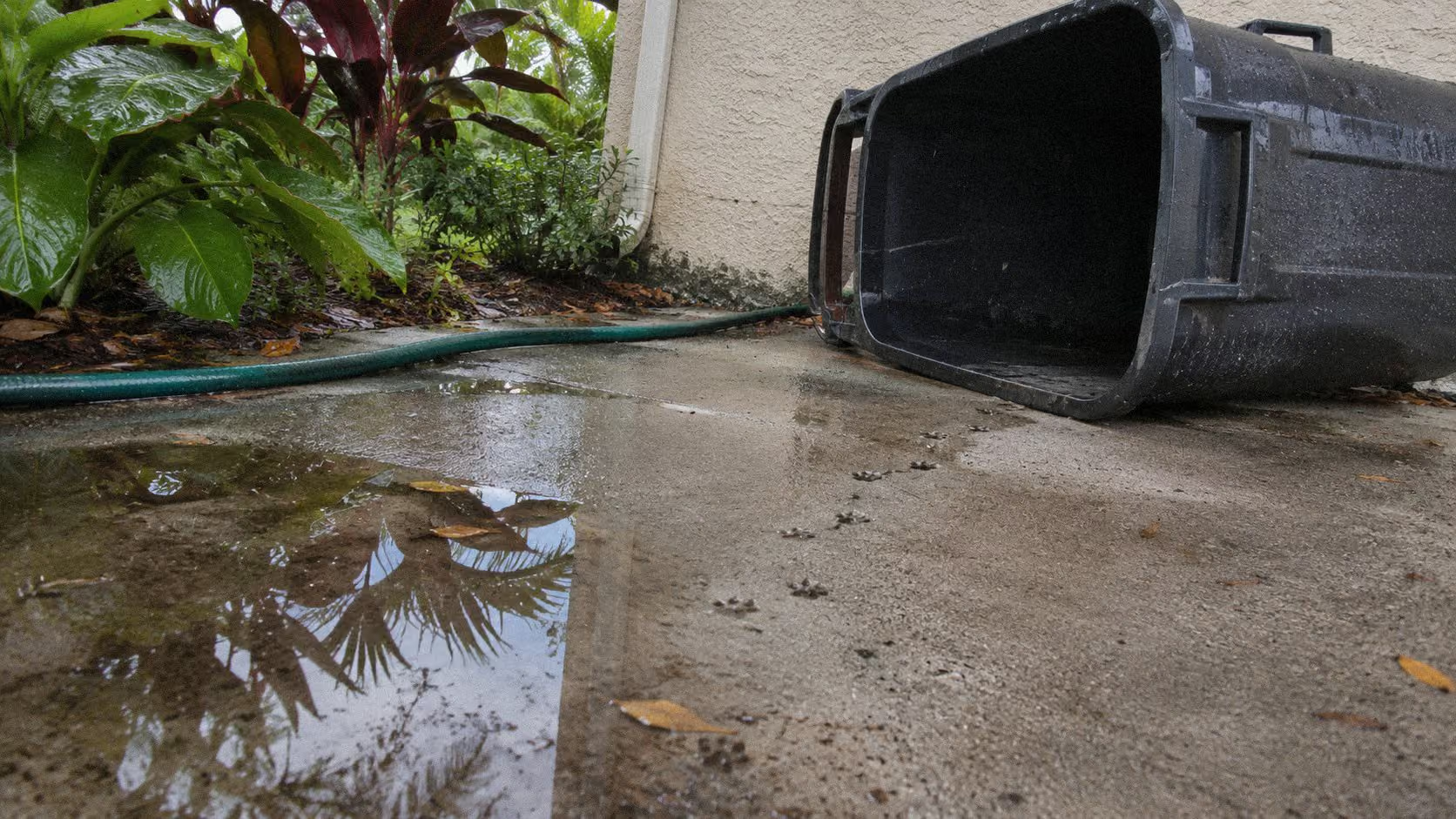
- Rodents mark their entry points with gnaw marks, droppings, greasy rub marks and tracks; fresh signs mean the opening is still in use.
- Mice need a gap of only about 1/4 inch and rats about 1/2 inch, so check anything a pencil can slide into.
- Roof rats usually enter high, from branches, utility lines and fences; Norway rats and mice usually enter low, at the foundation and doors.
- A thin layer of talc or flour in front of a suspected hole shows fresh tracks by morning.
- Seal openings only after the rodents inside are removed, and recheck for about two weeks, when rodents test for new gaps.
In this article
To find where rodents get into your home, look for the trail they leave at the opening: gnaw marks, droppings, dark greasy rub marks and tracks, usually right next to a wall. Then check the classic weak points, from the roofline down to the foundation, for any gap a pencil can slide into. A fresh sign at a gap means you have found an active entryway.
Rats and mice are secretive and mostly active at night, so many homeowners only notice them once the damage is done. The good news is that rodents are creatures of habit. They use the same routes every night, and those routes leave evidence. This guide shows you what to look for, where to look and how to confirm that an opening is in use before you seal it.

Know Which Rodent You Are Tracking
Where you look depends on the rodent. South Florida homes deal with three main species, and they enter in different ways.
- Roof rats are excellent climbers. UF/IFAS calls them the worst and most abundant rodent pest in Florida. They reach homes along tree branches, utility and cable lines, fence boards and support poles, then enter at the roofline. See our roof rat profile.
- Norway rats are burrowers, most common along coasts and canals. They usually enter low: at the foundation, under doors and through burrows next to slabs.
- House mice use small gaps at any level, often around pipes, doors and the garage. Our house mouse page has identification photos.
Size matters too. UF/IFAS notes that mice fit through cracks about 1/4 inch wide and rats through cracks about 1/2 inch wide. The CDC compares the mouse gap to the width of a pencil.
The Clues Rodents Leave at Entry Points
Gnaw Marks
Rodents gnaw constantly and often widen the edge of an opening to get through. Look for chewed wood around doors, soffits and vents, bite marks on wires and pipes, and chewed rubber door seals. Gnawing that appears overnight on furniture, wiring or window frames is a strong clue that rodents are inside.
Droppings
Droppings collect along runways and near openings. The CDC notes that rodent droppings are pointed at one end and often found in cabinets, drawers and other hidden areas. Size tells you the species: house mouse droppings are about 1/8 inch, roof rat droppings up to 1/2 inch, and Norway rat droppings about 3/4 inch (UF/IFAS).
Rub Marks
Rats push through the same gap night after night, and the oil and dirt in their fur leave dark, greasy smudges on the edges. Rub marks are one of the best indicators of an entry point, especially on beams, pipes and holes in the soffit or garage wall.
Odor
A stale, musky or ammonia-like smell from a closet, cabinet, wall void or attic hatch points to urine and nesting nearby. A strong, sweetish odor that worsens over a few days usually means a dead rodent.
Sounds
UF/IFAS notes that rats are most active in the first half of the night, and mice just after dark and again from midnight to dawn. Listen for scratching, gnawing and squeaking at those hours and note where the noise is loudest; it often moves along the route between the entry point and the nest.
Pet Behavior
Dogs and cats often hear and smell rodents before people do. A pet that stares at a wall, paws at a cabinet or sniffs intently along a baseboard is giving you a place to inspect.
Need help with pests in South Florida?
Toro Pest Management has protected homes and businesses since 1969. Get a free inspection and $25 off your first service, backed by our 110% Satisfaction Guarantee: if the pests come back, so do we, at no extra cost.
Fresh or Old? How to Tell If an Entryway Is Active
Old signs can remain long after rodents leave. The CDC points out that gnaw marks alone may only show past activity. UF/IFAS gives clear ways to tell old from new:
| Sign | Fresh (active) | Old (possibly inactive) |
|---|---|---|
| Droppings | Black, shiny, soft and puttylike | Gray, dusty, dry and crumbly |
| Gnaw marks on wood | Light-colored, with sharp, splintery edges | Smooth and darker |
| Rub marks | Smear when touched | Brittle and flaking |
| Runways | Clear of dust and cobwebs | Covered in undisturbed dust or webs |
| Outdoor burrows | Freshly dug dirt at the 3-inch opening | No fresh dirt; slick, hard-packed runways still mean an established colony |
Room-by-Room and Roof-to-Foundation Checklist
Start with the areas the CDC recommends checking, plus a few common South Florida trouble spots. Use a flashlight and a pencil, and mark every gap with tape.
Inside the Home
- Under, behind and inside kitchen cabinets
- Around pipes under sinks and the washing machine
- Behind the refrigerator, stove and dishwasher
- Around water heater and AC air handler lines
- Around floor vents and dryer vents
- Closet floors, especially the corners
- Where the floor meets the wall
- Around electrical, water, gas and sewer lines
- In the attic and any crawl space
Outside the Home
- Roofline: gables, eaves, soffits, roof vents and the gaps where different roof sections meet. Our article on how rats sneak in from above covers these weak points.
- Trees and wires: branches that touch or overhang the roof, and utility or cable lines that run to the house
- Doors and windows: especially those without weather stripping, and torn screens
- Garage: worn door seals and gaps at the corners of roll-up doors; see why rodents love your garage
- Foundation: cracks, gaps between the foundation and the ground, and crawl space vents
- Utility penetrations: holes for electrical, plumbing, cable, gas and AC lines
Simple Tests to Confirm an Entry Point
Before you spend time sealing, confirm which openings are active.
- Tracking powder test. UF/IFAS suggests dusting runways with talcum powder to reveal footprints and tail marks. Flour works too. Check the next morning.
- Paper plug test. Loosely stuff a suspected hole with crumpled newspaper. If it is pushed out or chewed through within a day or two, the hole is in use.
- Clean and recheck. Wipe away droppings near an opening, wearing gloves and wetting them with disinfectant first, and look again in a day or two. New droppings confirm current activity.
- Black light. Under ultraviolet light, fresh rodent urine glows blue-white, according to UF/IFAS, which helps trace trails along baseboards and up walls.
What to Do After You Find the Entryways
Finding the openings is half the job. Sealing them correctly is the other half.
- Remove the rodents inside first. Sealing rats or mice in can push them deeper into walls or leave them to die there.
- Use gnaw-resistant materials. The CDC recommends steel wool held in place with caulk for small holes, and lath screen or metal, cement, hardware cloth or metal sheeting for larger ones. Foam alone is easy to chew.
- Cut off the climbing routes. Trim branches back from the roof and keep vegetation from touching fences and wires that lead to the house, as UF/IFAS advises for roof rats.
- Recheck for two weeks. UF/IFAS warns that rodents search for remaining gaps for about two weeks after sealing, so inspect often and repair new damage quickly.
Our seasonal guide on how to keep rodents out this winter walks through the sealing materials in more detail.
When to Call a Professional
Call a pro when you cannot find the opening, when the entry points are on the roofline or inside the attic, when you find signs in several rooms, or when the rodents keep coming back after you seal. Hidden openings in soffits, roof valleys and AC chases are common in South Florida homes and hard to reach safely.
Toro’s rodent control service starts with a free inspection that locates every gap rodents use, from the roofline to the foundation, and identifies which rodents you have. Toro then removes them with trapping and baiting placed according to the label, seals the entry points and offers dropping and urine disinfecting and sanitation. Toro has protected South Florida homes since 1969 and guarantees a response within 24 hours. If you are still not sure what you have, start with our list of 7 signs of rodent infestations at home.

Contact Toro today
A free inspection & $25 off your first service
A trained Toro technician inspects your home or business, explains what was found and gives you a clear plan and quote, backed by our 110% Satisfaction Guarantee.
305-594-4767Frequently Asked Questions
How do I find where mice are getting in?
Can rats get in through the toilet?
What time of night are rodents most active?
Do rodents come back to the same entry hole?
How much does it cost to seal rodent entry points?
Sources
- Rat and Mouse Control (ENY-224), UF/IFAS Extension
- Control of Roof Rats in Fruit Trees (SSWEC120), UF/IFAS Extension
- How to Seal Up to Prevent Rodents, Centers for Disease Control and Prevention
- Controlling Wild Rodent Infestations, Centers for Disease Control and Prevention
Educational content. This article is for general information about pests in South Florida and is not medical, legal or professional advice. If you have a bite, sting or allergic reaction, contact your doctor; in an emergency, call 911. Pest problems vary from home to home, so a licensed professional should inspect before treatment. When using any pesticide, always read and follow the product label.