
Key takeaways
- Formosan subterranean termite colonies can hold several million termites and forage up to about 100 meters, far enough to reach several lots.
- UF/IFAS projected that about half of structures in urban South Florida could be at risk of these termites by around 2040.
- Clubhouses, fences, gazebos, irrigated beds and trees in common areas give colonies food, moisture and cover the board is responsible for.
- A written community termite program with annual inspections, landscape standards and records costs far less than emergency repairs and special assessments.
In this article
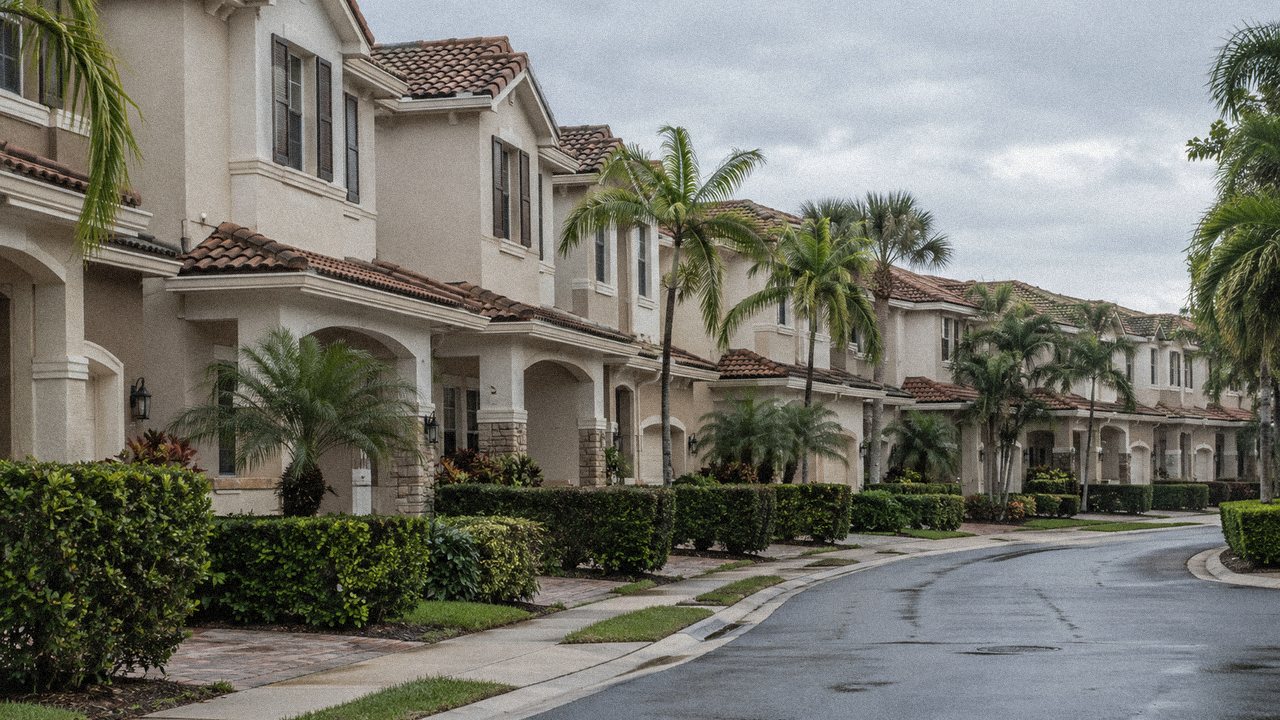
Subterranean termites become an HOA problem because they do not respect lot lines. A single colony lives in the soil and forages underground in every direction, so it can feed on a clubhouse, a row of townhomes and the trees in a shared green area at the same time. When the board treats termites as one owner’s issue, the colony keeps spreading, and repair bills, special assessments and a reputation for termite trouble follow.
In South Florida, the risk is higher than almost anywhere in the country. Miami-Dade and Broward are home to both the Formosan and the Asian subterranean termite, two invasive species with enormous colonies. This guide is written for HOA board members, property managers and owners who want to understand the risk and build a plan that protects every home’s value.
Why South Florida HOAs Face a Growing Termite Risk
UF/IFAS researchers projected in 2016 that about half of the structures in South Florida could be at risk of infestation by Formosan or Asian subterranean termites by around 2040. Their model treated any building within 500 meters of a recorded infestation as at risk, a useful way to think about a community: when one building has these termites, the neighbors are inside the danger zone. A 2026 UF/IFAS follow-up found that the forecast remains on track.
In 2016, UF/IFAS described the Miami-Fort Lauderdale area as the only place in the continental United States where the ranges of Asian and Formosan subterranean termites overlapped. Both are Coptotermes species that build large colonies:
- Colony size: Formosan colonies can contain several million termites, according to UF/IFAS.
- Reach: Formosan workers have been recorded foraging up to about 100 meters in the field, and UF/IFAS Extension in Monroe County describes underground tunnels reaching up to 300 feet from the central nest.
- Appetite: a mature Formosan colony can eat about 300 pounds of wood a year.
- Speed: Monroe County Extension notes that structural damage can occur within six months of infestation, and an inspection that finds termites may reveal only a small part of the colony.
Communities in Palm Beach County and the Keys are not off the hook. The Asian subterranean termite is established from the Keys to Palm Beach County, and a 2026 University of Florida study found it as far north as Brevard and Hillsborough counties. The native eastern subterranean termite is found statewide.
What Makes a Community Vulnerable
The features that make a community attractive also give termites what they need: wood, moisture and cover.
| Community feature | Why termites like it | What the board can do |
|---|---|---|
| Closely spaced homes and shared slabs | One colony can reach several buildings | Inspect adjoining buildings together, not one at a time |
| Clubhouses, gazebos, pergolas, wooden fences | Wood near or touching the ground | Inspect yearly; replace soil-contact wood |
| Irrigated beds along buildings | Constant moisture at the foundation | Keep irrigation at least 1 foot from walls |
| Thick mulch against walls | Keeps soil moist and hides mud tubes | Under 2 inches near foundations, 6-inch clear strip |
| Mature shade trees in common areas | Formosan termites can nest inside trees | Have trees near buildings checked for mud tubes |
| Waterfront docks and marinas | Boats can carry Asian subterranean termites | Include docks and seawall structures in inspections |
| Many decision-makers | Problems fall between owner and association | Assign responsibility in writing |
UF/IFAS notes that Florida code requires irrigation to be at least 1 foot from a building sidewall and that irrigation that wets walls can void a termite warranty. Mulch is less of a threat than many people think, according to UF/IFAS; the bigger risk is termites already established on the property. Still, layers thicker than 4 to 6 inches keep soil moist and hide the foundation. Our article on how landscaping choices attract termites goes deeper.
Trees Are a Hidden Risk
UF/IFAS warns that Formosan subterranean termites can infest living trees and hollow out the dead wood at their center. The tree may look healthy, but it is weakened and more likely to collapse in high winds. In a community with a mature canopy, a hollowed oak or mahogany next to a clubhouse is both a termite source and a hurricane-season liability. Mud tubes on bark or at pruning wounds are an early warning.
Need help with pests in South Florida?
Toro Pest Management has protected homes and businesses since 1969. Get a free inspection and $25 off your first service, backed by our 110% Satisfaction Guarantee: if the pests come back, so do we, at no extra cost.
How Termite Damage Drags Down Property Values
Termite damage affects values in a community in ways that go beyond one damaged house.
Repair Bills and Special Assessments
When termites damage association-owned structures, the repair money comes from the association. If the budget and reserves did not plan for it, the board may have to fund the repairs with a special assessment that every owner pays, often at short notice. Prevention is a predictable line item; emergency structural repairs are not.
Resale Problems Across the Community
In a Florida home sale, a buyer’s termite inspection is reported on the state’s Wood-Destroying Organisms Inspection Report. When several homes in the same community show live termites or damage, buyers and their agents notice the pattern. Read how eastern subterranean termites affect property value for a closer look at what that report shows.
Disputes Between Owners and the Board
When termites move from a neglected common area into a private home, or from one unit into the next, owners understandably ask who should pay. Clear governing documents, a written termite policy and good records are the best way to keep those conversations from turning into disputes.
Curb Appeal
Sagging pergolas, damaged fences and patched trim make a community look neglected, and neglected communities sell for less.
Why DIY Sprays and General Maintenance Fall Short
Many associations try to save money by asking maintenance staff or the landscaper to spray visible termites. It does not work. UF/IFAS says over-the-counter products are unlikely to control Formosan termites and that control requires professional services. Even professional liquid termiticides mainly keep termites out of the treated zone: in a laboratory study cited by Monroe County Extension, termites within 10 to 15 feet of a liquid termiticide treatment died within a week, while the rest of the colony was not affected.
Baits work differently. Workers carry a slow-acting bait back to the nest, and UF/IFAS reports that eliminating a Formosan colony this way takes about three months. For a community, eliminating the colony matters more than protecting one wall.
Building an HOA Termite Prevention Program
A community program does not need to be complicated. It needs to be written down, funded and followed.
- Define responsibility. Use the declaration to list what the association maintains and what owners maintain, and share it with residents.
- Inventory the risk. Map every wooden structure, tree near a building, dock, irrigation zone and mulched bed in common areas.
- Inspect every year. FDACS calls an annual termite inspection a must for older homes, and the same logic applies to clubhouses and shared buildings.
- Set landscape standards. Write mulch depth, irrigation spacing and plant clearance from walls into the landscaping contract.
- Choose a contract carefully. Compare warranty types (retreatment only, retreatment and repair, or none) and confirm the provider is licensed.
- Keep records. Store inspection reports, bait station logs, treatment invoices and repair photos in one place for future boards and buyers.
- Communicate. Tell owners what to look for, how to report it and what the association is doing.
How Toro Works With Associations and Property Managers
Toro’s termite control treats single-family homes, condos, apartment buildings and commercial properties across Miami-Dade, Broward, Palm Beach and the Keys, and coordinates with your association or property manager. Each property starts with a free inspection that identifies the termite species and how far the activity goes. For subterranean termites, Toro installs the Sentricon baiting system around the property with no drilling into the slab and no trenches; the bait is designed to eliminate the colony, including the queen, and the stations stay in place for year-round protection.
Managers who oversee several sites can combine termite work with general pest, rodent and lawn programs through Toro’s property management pest control, with a program for each location. Toro has served South Florida since 1969, and if the bugs come back, so will Toro, at no additional cost to you.

Contact Toro today
A free inspection & $25 off your first service
A trained Toro technician inspects your home or business, explains what was found and gives you a clear plan and quote, backed by our 110% Satisfaction Guarantee.
305-594-4767Frequently Asked Questions
Is the HOA or the homeowner responsible for termite treatment?
Should an HOA have a termite contract?
Can termites spread from one townhouse to the next?
How often should bait stations in a community be checked?
Can our landscaper handle termites?
Sources
- Half of South Florida Structures at Risk of Subterranean Termite Infestation by 2040, UF/IFAS News
- New Study Shows Invasive Termites Threatening Homes in Florida Are Spreading Farther Than Predicted, University of Florida News
- Formosan Subterranean Termite, Coptotermes formosanus (EDIS IN278), UF/IFAS Extension
- A Changing Landscape in Subterranean Termite Control, UF/IFAS Extension Monroe County
- The Facts About Termites and Mulch (EDIS IN651), UF/IFAS Extension
- Protecting Yourself and Your Property Against Subterranean Termites, Florida Department of Agriculture and Consumer Services
Educational content. This article is for general information about pests in South Florida and is not medical, legal or professional advice. If you have a bite, sting or allergic reaction, contact your doctor; in an emergency, call 911. Pest problems vary from home to home, so a licensed professional should inspect before treatment. When using any pesticide, always read and follow the product label.


